Nestled at the corner edge of where the Pacific Ocean meets the verdant coastline of North America, is a landscape known as the Emerald Edge, which stretches from the shores of southeastern Alaska to northern Oregon. This critical ecosystem incorporates 100 million acres of land and is the largest intact coastal rainforest on the planet. It is also the ancestral land of Indigenous Peoples, including First Nations, Native Alaskans, and Coastal Tribes. The region’s original stewards, today, Indigenous Peoples work in collaboration with conservation organizations to protect old-growth forest, prevent habitat loss, address climate change, and advance social justice issues. We have come to this unique part of the world to delve into the challenges and opportunities presented by this work.
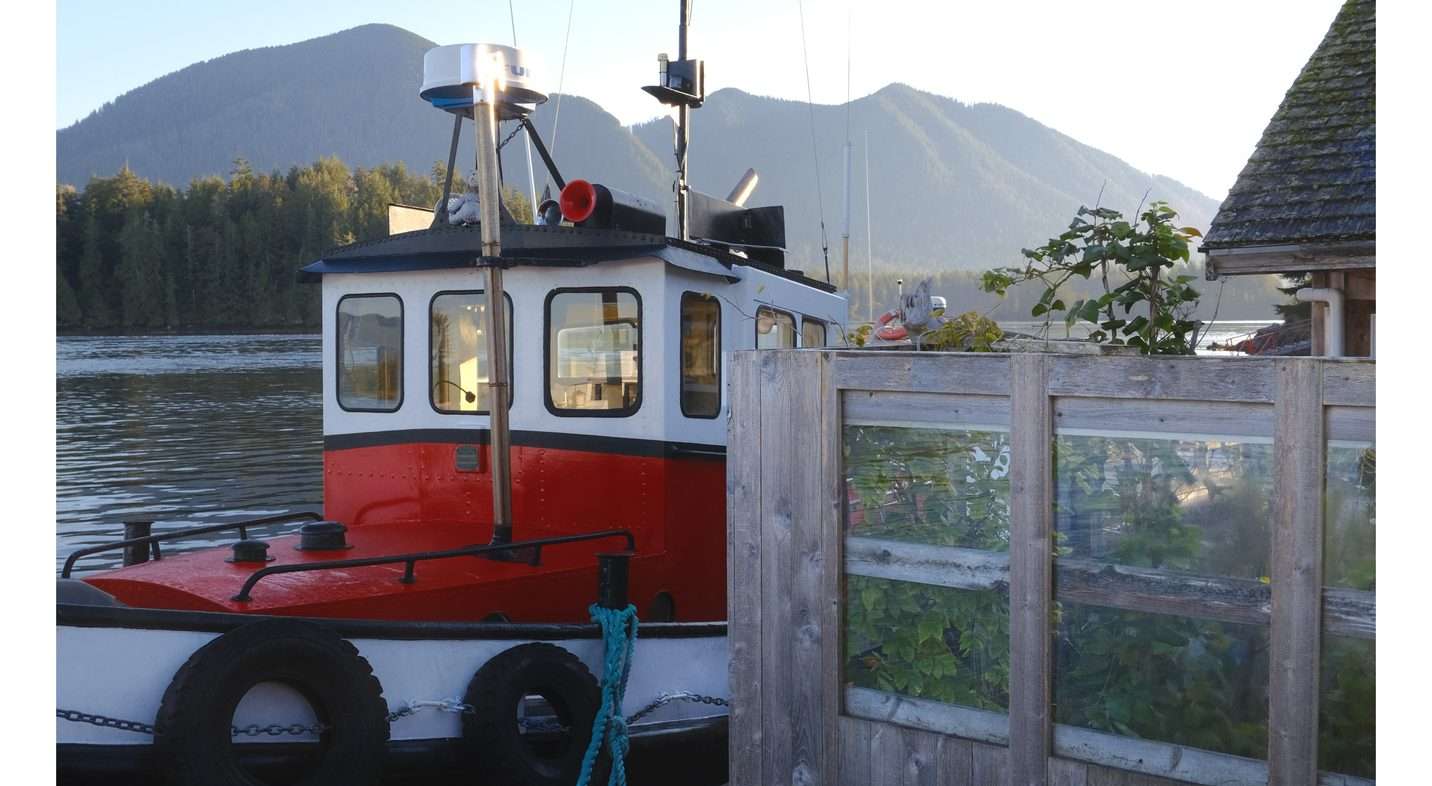
Our journey commences in Vancouver, British Columbia. Surrounded by impressive mountain peaks, lush green forests, and a lively community, Vancouver casually combines a calming atmosphere within a bustling metropolis. Our time here is brief, though, and the real adventure starts when we embark on our chartered flight to Tofino. Located at the northern end of Vancouver Island, Tofino is both charming and radiant; it is the perfect gateway to the endless beauty of the Emerald Edge. As our plane touches down, we are greeted by Tla-o-qui-aht First Nations (TFN) tribal members who welcome us and grant us access to their ancestral lands.
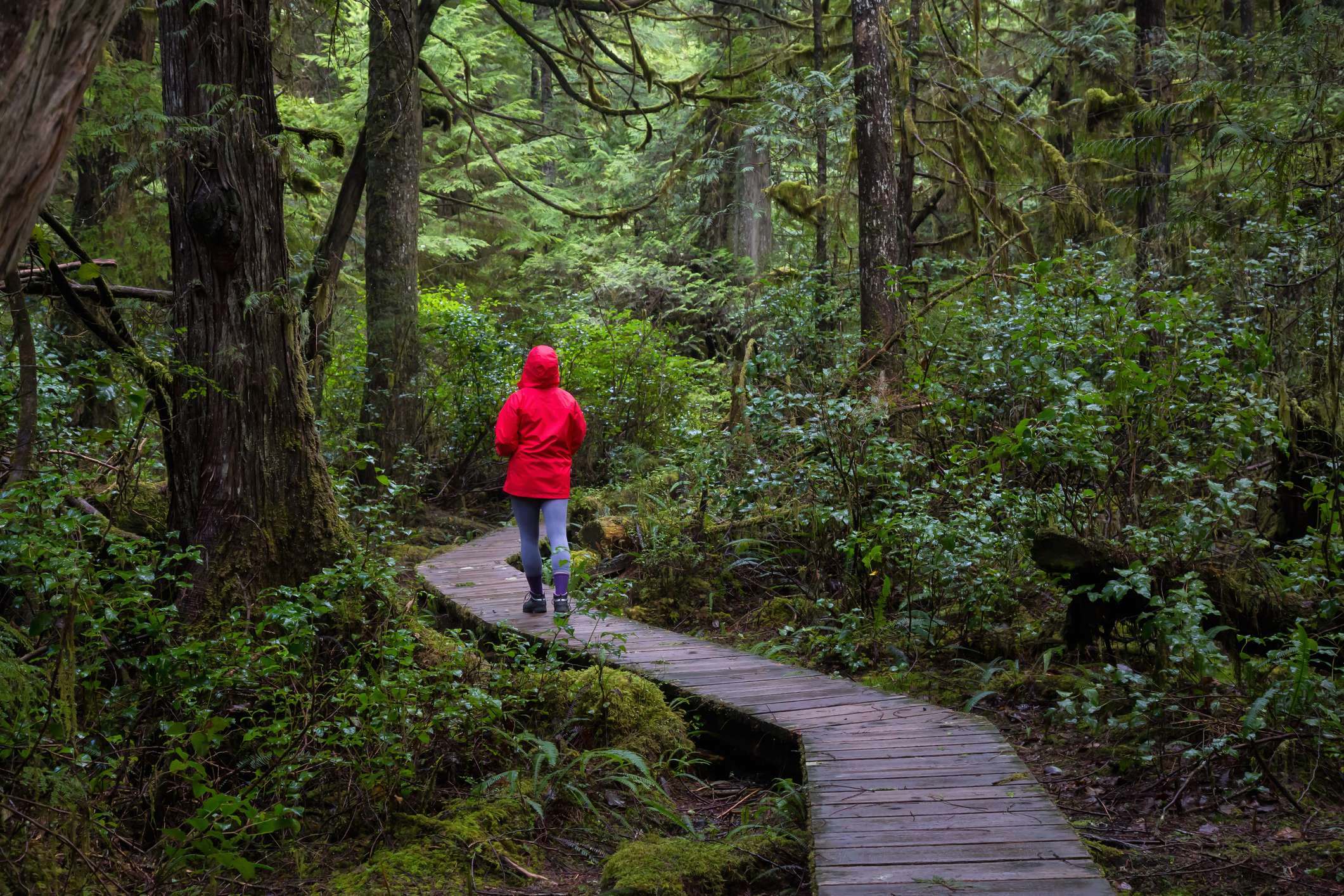
To stretch our legs, we head out for a short hike on the Rainforest Trail, meandering through dense moss-filled forests of ferns, western hemlock, and red cedar, the latter being an extremely versatile resource within the First Nation community. The trees here are large and supple, and the air we breathe is fresh and crisp. In fact, the old-growth forests of the Emerald Edge have incredible carbon storage capacity, sequestering up to 300 million metric tons each year.
During our stay, we explore the region by air, foot, and water. We learn about the history and process of totem carving; hike side-by-side with with Ahousaht partners and naturalists; spend an afternoon on the water, hugging the coastline in search of bears; take to the sky for a peak-to-surf helicopter tour; go whale watching in Clayoquot Sound; and share meals with First Nations tribal members. These diverse encounters with the people, the land, and the animals provide an unparalleled window into community-led conservation efforts and the reciprocal relationship that binds all life to this earth.